Client portal
 FR
FR Heavy Smoke Ahead? Here’s How to Navigate Wildfire Conditions
Smoke from wildfire can travel far from the source of the fire, and the particles released in the air could cause serious health conditions. At The Erb Group, we are dedicated to keeping our drivers, teams, and the communities we serve, safe.
We’re familiar with wildfires and the challenges they bring during the summer months, but this year’s events have hit closer to home for many of the communities where we live and work. As an essential service provider with terminals and operations spanning across North America, the safety of our employees, drivers, and the communities we serve remains our top priority.
Although heavy smoke conditions are beginning to improve, some areas across North America continue to experience their impacts. Here are some reminders to help stay safe while working through these challenging conditions.
Why is it Smoky?
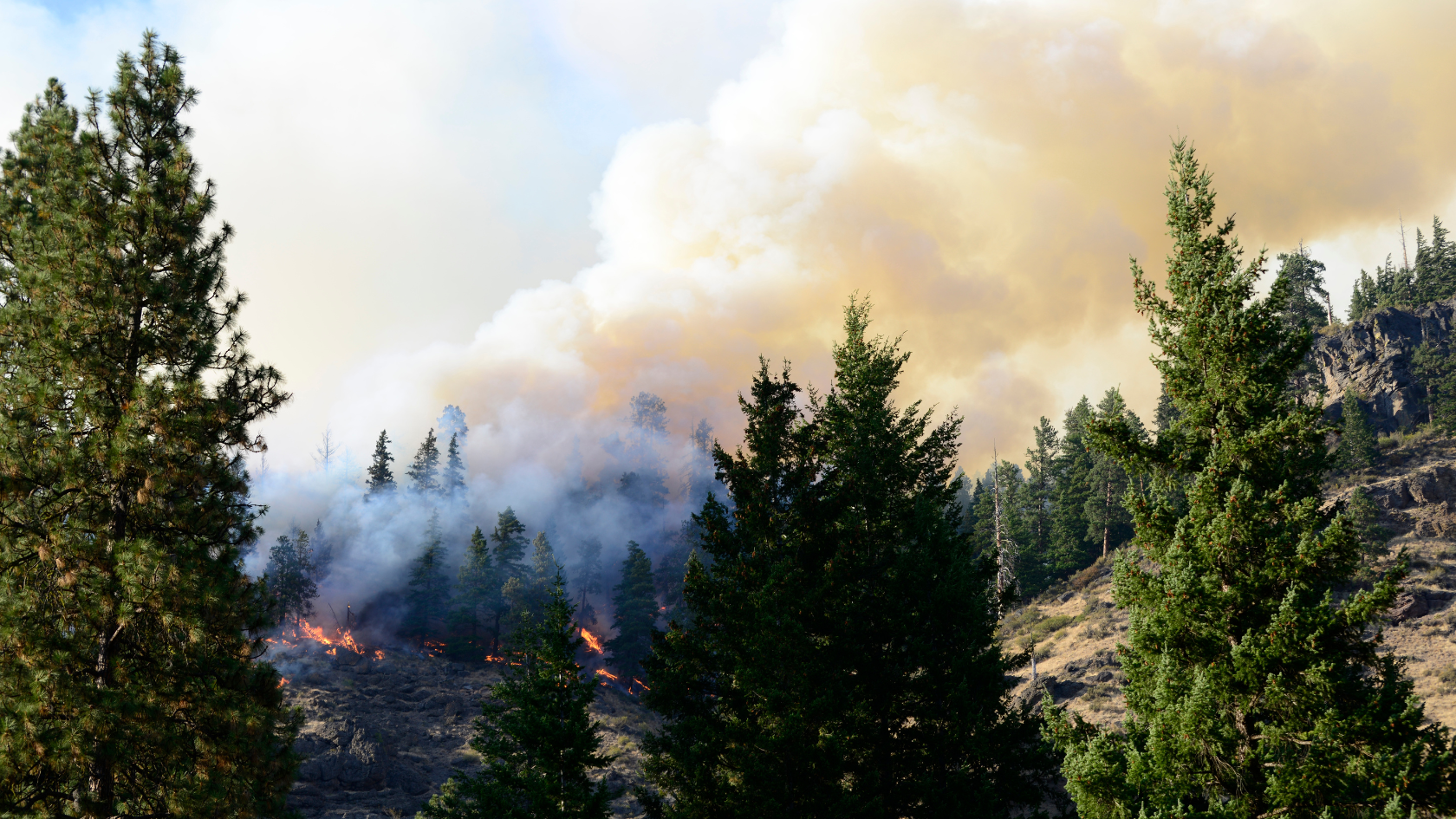
Wildfires are a significant part of Canadian summer conversations. Fueled by extreme heat, a wildfire broke out in Northwestern Ontario on July 15th. Changing weather patterns carried smoke from these fires across North America, significantly impacting air quality in affected areas. The lessened air quality can have serious impacts on your safety, whether you’re travelling, at work or at home. Tips for staying safe in smoky conditions: Hazy and smoky conditions can cause reduced visibility and dangerous driving conditions. Here are six tips to help you stay safe if you’re on the road:- Check road conditions and closures before your trip.
- Keep all windows closed and set the vehicle ventilation system to the “recirculation” setting.
- Reduce your speed and increase your following distance if visibility is reduced.
- Use low-beam headlights in smoky conditions.
- If visibility becomes too poor to drive safely, pull into a safe location off the roadway and wait for conditions to improve.
- Follow all emergency instructions, road closures, and evacuation orders.
- Pay attention to symptoms such as coughing, throat irritation, headaches, shortness of breath, dizziness, or unusual fatigue.
- Limit strenuous outdoor activity whenever possible, especially when the Air Quality Health Index is rated as high or very high risk.
- Keep windows and doors closed where practical and use air-conditioned or filtered spaces whenever possible.