If you've heard the saying, 'If you got it, a truck brought it,' then you might also know, 'Another Cool Move.'
If you know these statements and can rattle off a few more classics, this article is a tribute to you and the people in trucking you care about.
When you grow up with trucking as a part of your family, certain sayings, values and skills are embedded into your way of life.
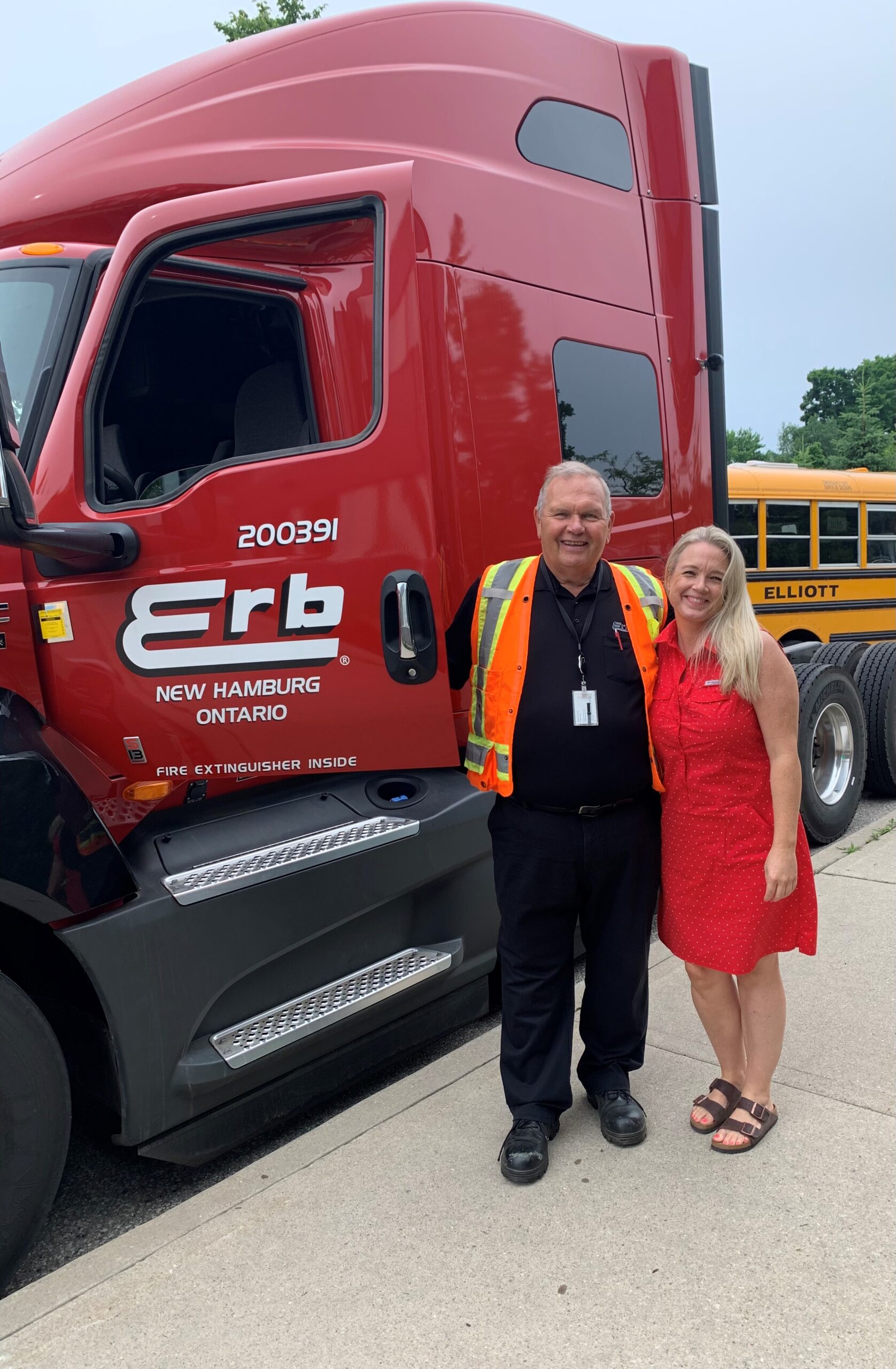
My brother Luke and I were fortunate to be born into a family deeply dedicated to trucking. Our dad, Jim Pinder, the Senior Corporate Fleet Director, is one of the many Erb Group employees committed to the trucking industry.
Perhaps, as the reader, your dad is your connection to trucking, too. If so, this meant you were confident that you would go to a truck show each summer or that an afternoon spent watching him repair a part of your family vehicle and occasionally helping out was time well spent. Perhaps your connection to trucking is through another special relationship. After all, you’ve got the Erban Report in your hands, so you have at least one connection to someone in the industry.
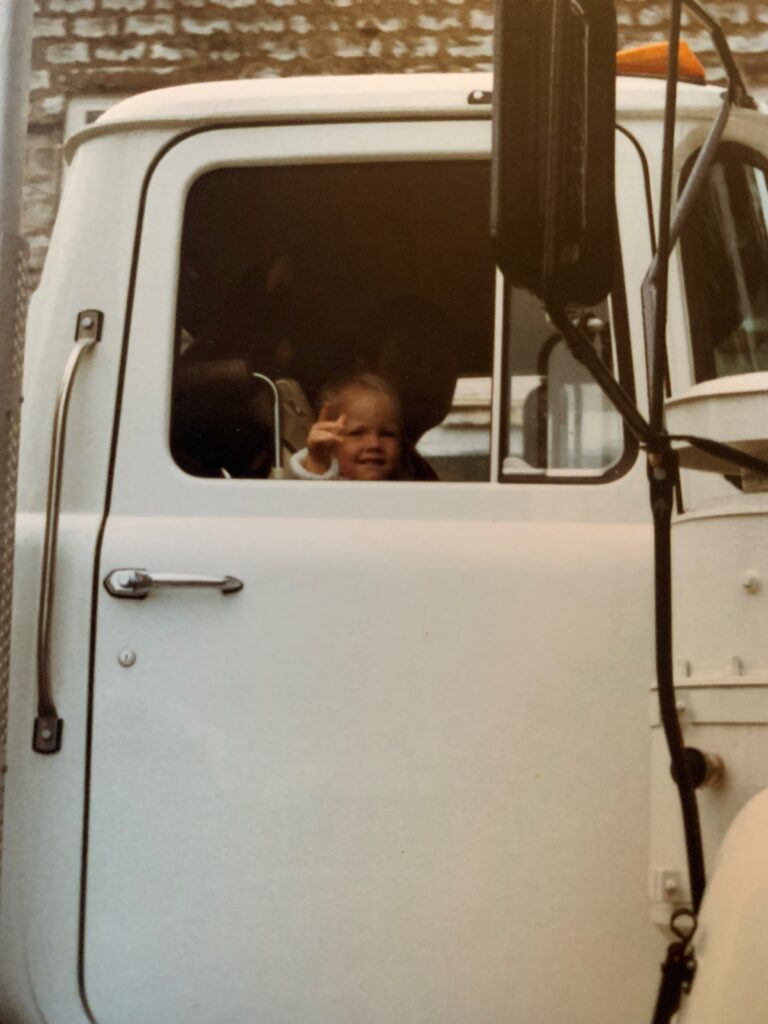
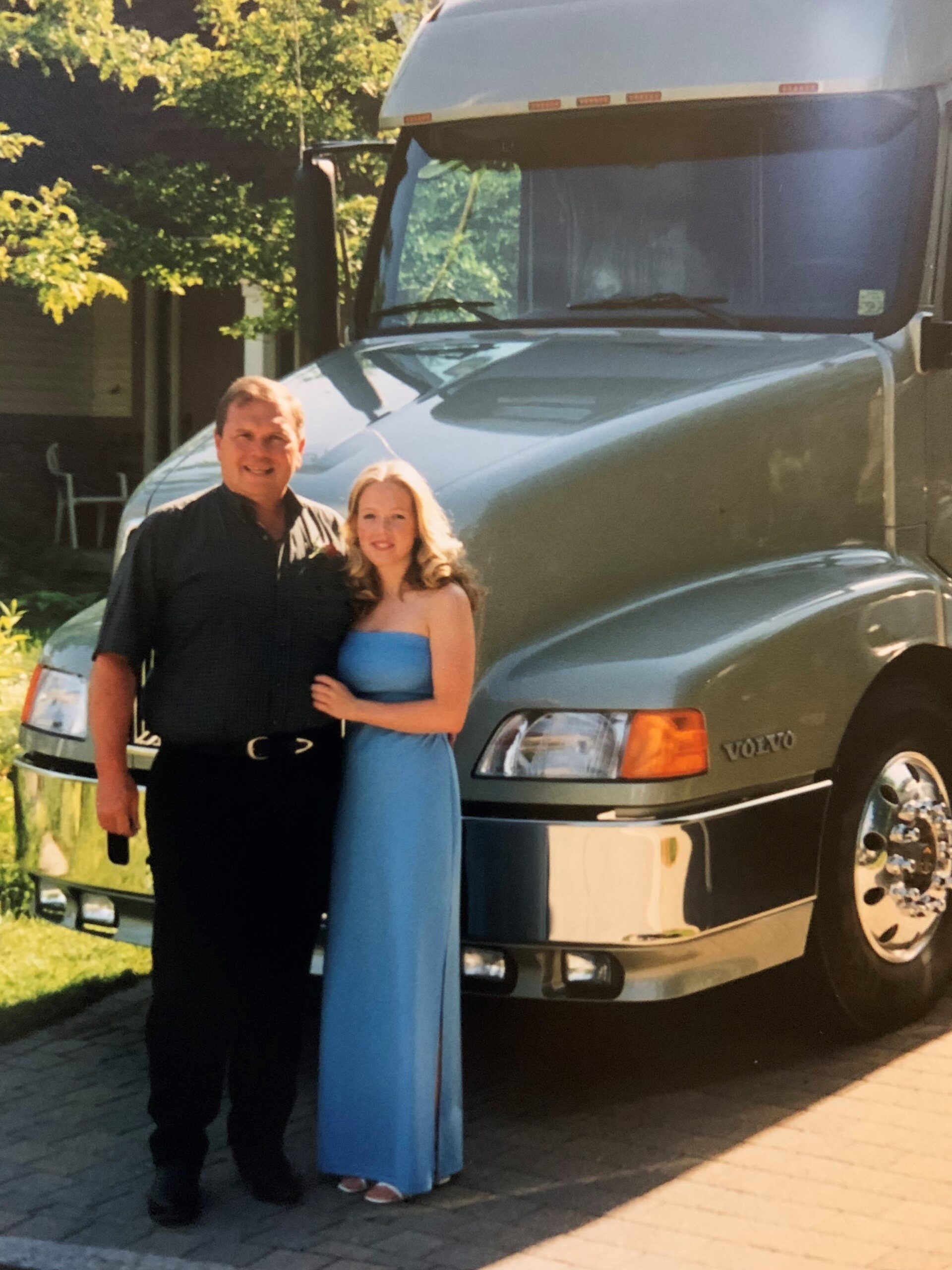
Growing up with a connection to trucking, while not being in the industry, has still given us many memories related to trucking, like Luke and me getting our first Mack Truck coats. I vividly remember sitting ‘shotgun’ in a parade as Dad drove the truck, and I waved until my hand was too tired to keep going. I also remember when he drove my friends and me to prom in a transport or when he brought in a truck for my first-grade ‘Show-and-Tell.’ Now, many years later, my dad brought a truck to a different Grade One class, where I am the teacher.
To my dad, teaching us the skills to keep us safe on the roads has always been important. This includes but is not limited to having winter gear in the car, planning trips, reviewing maps, giving trucks the necessary space on the roads, and always making sure people know when you’ve arrived safely at your destination.
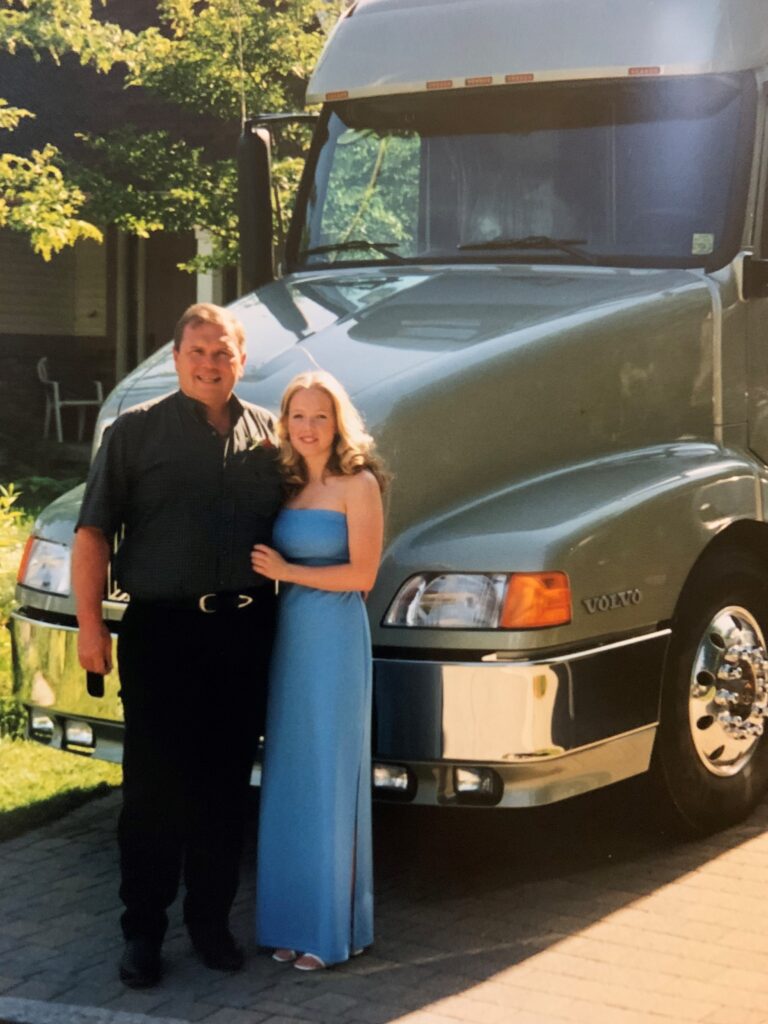
The values of honesty and integrity are characteristics that we knew at an early age were important in how we interact with people and engage in our work. We knew that your word was important and that hard work was essential. It was modelled for us that demonstrating commitment to people and persevering through challenges enables us to take pride in our connections and in our work.
My parents have always supported my brother and me in our chosen careers. I chose the field of education, and it has been a great path for me. This past year, my dad told me about using one of my ‘educational sayings’ in one of his work emails. I was so proud to know I had finally made the grade! It is so special to me that both of us now have professions that influence the other! That is yet
another cool move.
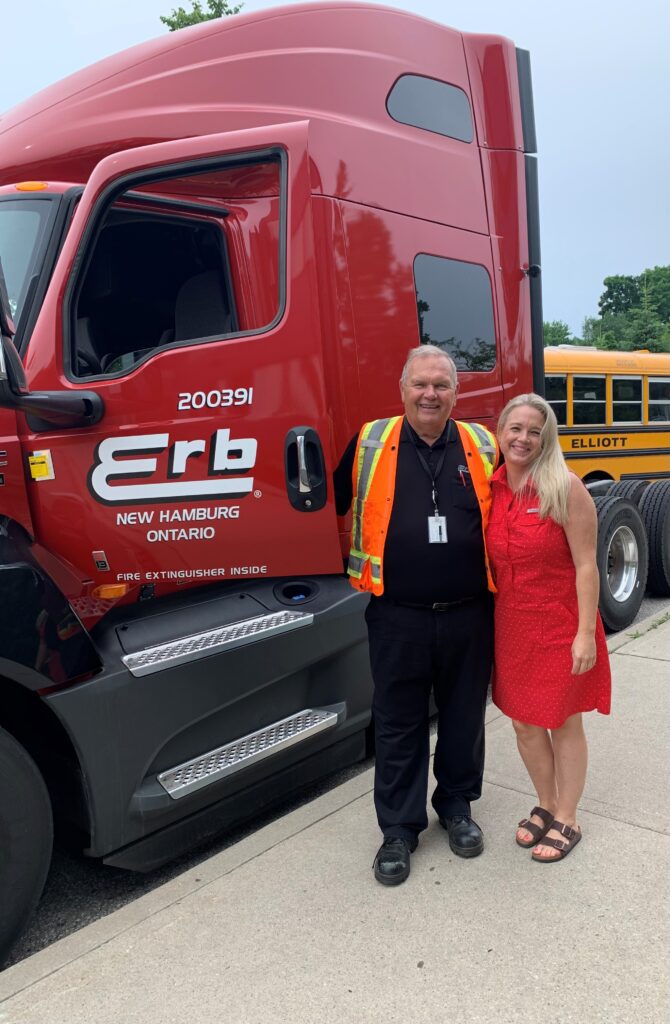
I look forward to many more years of sharing sayings, creating memories, staying committed to our values and learning new skills. This summer’s Erb BBQ was another great example of connecting the values of trucking and the values of family.
In closing, my tribute and thanks go to my dad for his commitment to trucking, the hard work and values of the trucking industry, and, most importantly, to his family. I hope you, too, get to thank your trucking person for all they do!
Article Submitted by
Jennifer Pinder, Daughter of Senior Corporate Fleet Director Jim Pinder
 Portail Client
 EN
EN 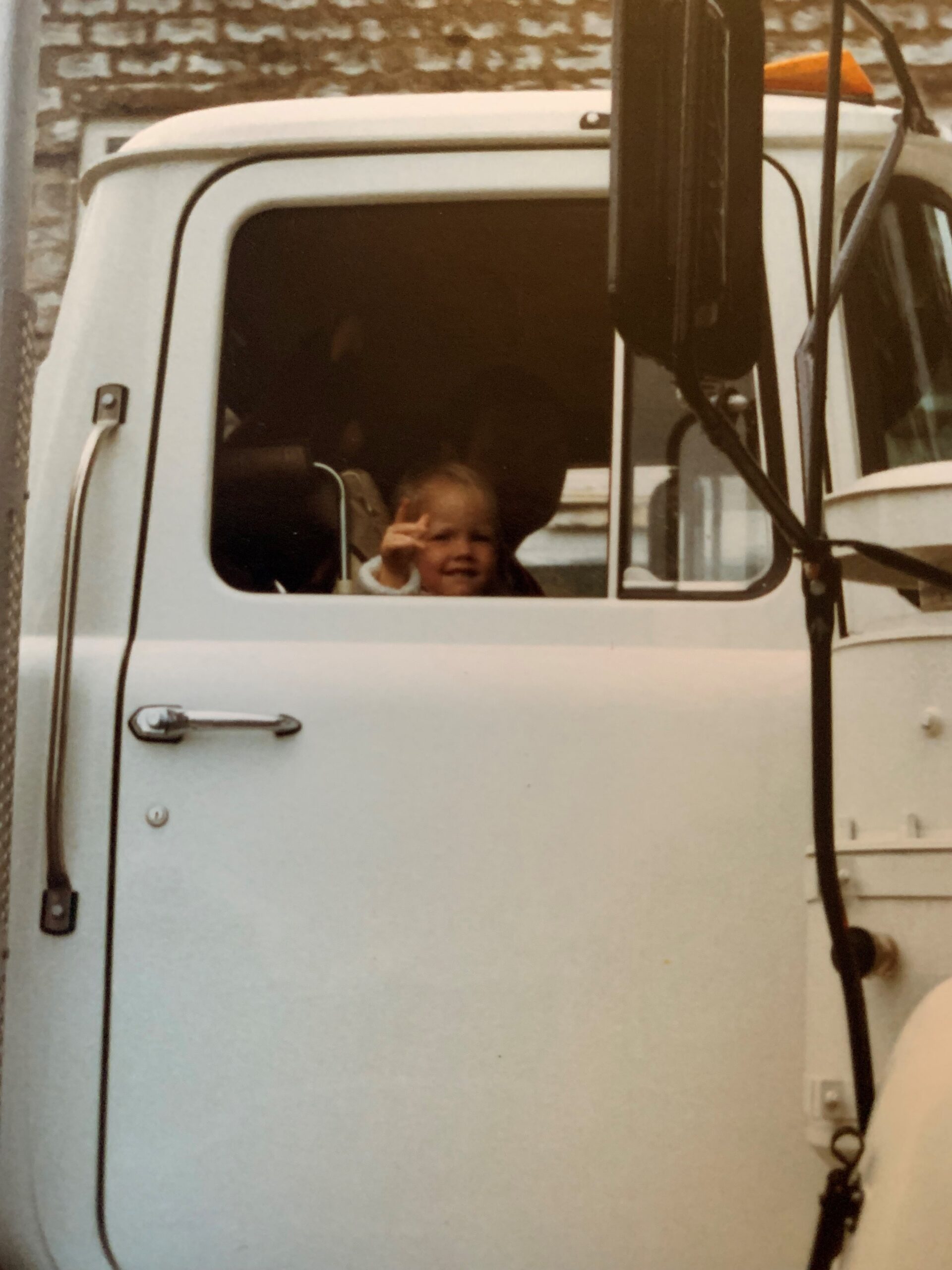
 The values of honesty and integrity are characteristics that we knew at an early age were important in how we interact with people and engage in our work. We knew that your word was important and that hard work was essential. It was modelled for us that demonstrating commitment to people and persevering through challenges enables us to take pride in our connections and in our work.
My parents have always supported my brother and me in our chosen careers. I chose the field of education, and it has been a great path for me. This past year, my dad told me about using one of my ‘educational sayings’ in one of his work emails. I was so proud to know I had finally made the grade! It is so special to me that both of us now have professions that influence the other! That is yet another cool move.
The values of honesty and integrity are characteristics that we knew at an early age were important in how we interact with people and engage in our work. We knew that your word was important and that hard work was essential. It was modelled for us that demonstrating commitment to people and persevering through challenges enables us to take pride in our connections and in our work.
My parents have always supported my brother and me in our chosen careers. I chose the field of education, and it has been a great path for me. This past year, my dad told me about using one of my ‘educational sayings’ in one of his work emails. I was so proud to know I had finally made the grade! It is so special to me that both of us now have professions that influence the other! That is yet another cool move.
 I look forward to many more years of sharing sayings, creating memories, staying committed to our values and learning new skills. This summer’s Erb BBQ was another great example of connecting the values of trucking and the values of family.
In closing, my tribute and thanks go to my dad for his commitment to trucking, the hard work and values of the trucking industry, and, most importantly, to his family. I hope you, too, get to thank your trucking person for all they do!
Article Submitted by
Jennifer Pinder, Daughter of Senior Corporate Fleet Director Jim Pinder
I look forward to many more years of sharing sayings, creating memories, staying committed to our values and learning new skills. This summer’s Erb BBQ was another great example of connecting the values of trucking and the values of family.
In closing, my tribute and thanks go to my dad for his commitment to trucking, the hard work and values of the trucking industry, and, most importantly, to his family. I hope you, too, get to thank your trucking person for all they do!
Article Submitted by
Jennifer Pinder, Daughter of Senior Corporate Fleet Director Jim Pinder